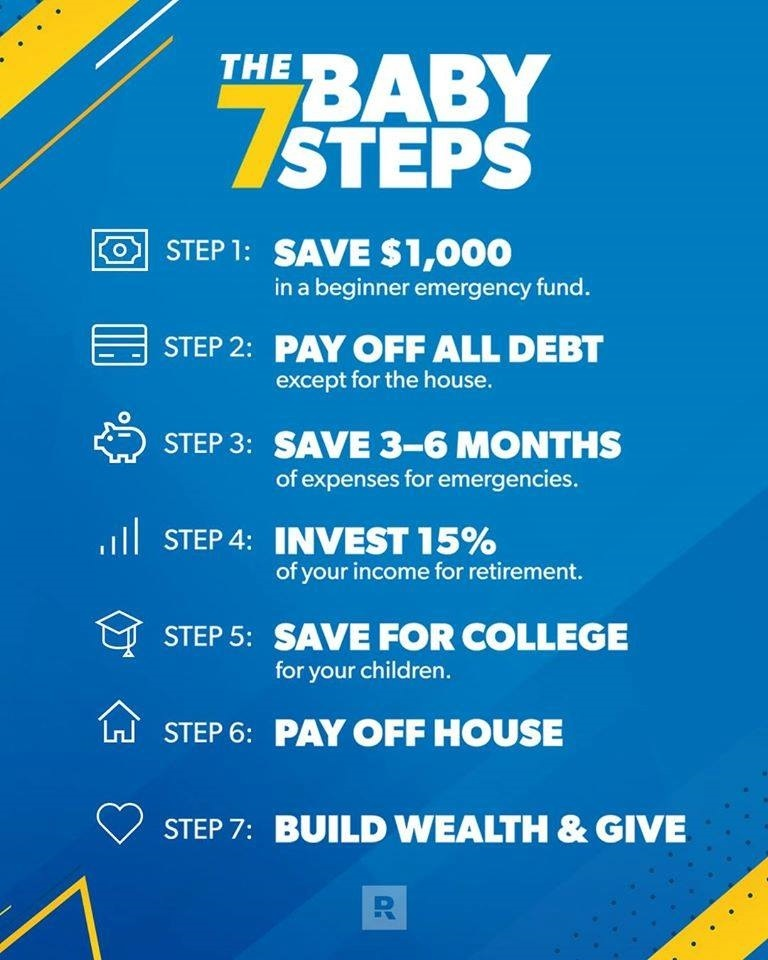

Somewhere in the first few months of marriage, most couples realize the same thing: managing money alone and managing money together are two completely different skills. You’re no longer just tracking your own spending, you’re merging two sets of habits, two sets of priorities, and often two very different relationships with money, into one shared plan.
Building that plan doesn’t need to be complicated. Here’s where to start.
Start with full transparency
Before you can build a budget together, you both need the full picture, income, existing debt, savings, recurring expenses, everything. Skipping this step, even unintentionally, tends to cause problems later when a hidden loan payment or forgotten subscription throws off the plan. Lay it all out honestly, even the uncomfortable parts.
Some couples prefer a fully combined budget, everything in one shared pool. Others prefer keeping some individual spending money separate while sharing the essentials. There’s no universally right approach, what matters is picking a system that actually matches how you both think about money, rather than copying what your parents did or what a friend recommended.
List your fixed costs first
Start with what doesn’t change month to month, rent or mortgage, utilities, transport, any existing loan repayments. These are your non negotiables. Knowing this number clearly gives you a realistic baseline before you even start planning for savings or discretionary spending.
Use the savings tools already around you
Beyond a standard bank savings account, Rwanda has a few well established options worth considering as a couple. Ibimina, also known as tontines, are collective savings groups where members contribute a fixed amount regularly and take turns receiving the pooled total, or use the group as a source of short term loans without the paperwork a bank would require. Since 2024 these groups operate under a formal government regulation, which has made them more secure and accountable than they used to be. Some couples even join or form an ikimina together specifically for a shared goal, like furnishing a home or building toward a plot of land.
Microfinance institutions are another option worth knowing about, particularly if either of you is self employed or runs a small business, since they tend to have more flexible requirements than traditional banks for smaller loan amounts.
It’s also worth planning honestly for any existing debt tied to the wedding itself. Many couples in Rwanda take on loans to cover costs around the traditional wedding, bagiye mu bukwe, and if that applies to you, factor the repayment into your very first budget rather than treating it as a separate, forgotten obligation. Getting that debt visible early, alongside your regular expenses, keeps it from quietly straining your finances later.

Look beyond savings accounts once you’re ready to grow money, not just store it
Once your basic budget and emergency fund are in place, it’s worth knowing there are more structured ways to grow money as a couple beyond a standard bank savings account.
The Rwanda National Investment Trust, RNIT, is a government owned fund manager that runs the RNIT Iterambere Fund, a collective investment fund open to individuals, families, and even tontines. It currently offers returns above 11% annually, tax free, and you can start small, contributions and account setup are accessible even through mobile channels. It’s a solid option for a couple who wants their savings actually growing rather than sitting idle.

Treasury bonds are another option worth understanding. When you buy a treasury bond, you’re effectively lending money to the government, which pays you interest at set intervals and returns your principal at maturity. These bonds are issued periodically and can be accessed through licensed commercial banks or capital market intermediaries, Bank of Kigali and BPR Bank both offer custody services for this. BK Capital, Bank of Kigali’s investment arm, is one of the more established players here and can guide you through purchasing treasury bonds or corporate bonds listed on the Rwanda Stock Exchange, useful if you’re thinking longer term, five, ten, even twenty year horizons.
If either of you is self employed or considering starting a business alongside your household finances, it’s also worth looking into the Development Bank of Rwanda, BRD, which offers financing support for entrepreneurs and has been involved in initiatives to make home financing and business capital more accessible to Rwandans.
None of these require large sums to get started, but they do require doing a bit of homework, or a direct conversation with an advisor at RNIT, BK Capital, or BRD, to understand what actually fits your goals and risk comfort as a couple.
Build in savings from the start, not what’s left over
A common mistake is treating savings as whatever happens to remain at the end of the month. Flip that around. Decide on a savings amount together first, then build your spending plan around what’s left. Even a modest, consistent amount adds up significantly over your first few years of marriage.
Something will come up, a medical expense, a car repair, a family emergency. Build a buffer into your budget specifically for this, rather than letting an unexpected cost throw your entire plan off every time. Couples who plan for the unpredictable tend to handle it with far less stress when it actually happens.
Set a spending limit that doesn’t require a conversation
For smaller day to day purchases, agree on a threshold below which either of you can spend without checking in first, then agree that anything above it gets discussed together beforehand. This avoids both micromanaging every transaction and avoids one partner feeling blindsided by a large purchase they didn’t know about.
Review it together, regularly
A budget isn’t something you set once and forget. Life changes, income shifts, priorities evolve. Set a recurring time, monthly works well for most couples, to sit down together and go over how the budget is actually working, and adjust it honestly based on what you’re both seeing.
Keep the tone collaborative, not accusatory
Money conversations can turn tense fast if they start to feel like one partner auditing the other. Approach budgeting as a shared project you’re both building, not a system where one person polices the other’s spending. That shift in framing alone prevents a lot of unnecessary friction.
Also Read: Renting vs Buying Your First Home
Your first family budget won’t be perfect, and it doesn’t need to be. What matters is building it together, honestly, and treating it as something you’ll keep refining as your life together grows. A solid budget habit built early tends to carry a couple through far bigger financial decisions down the road.