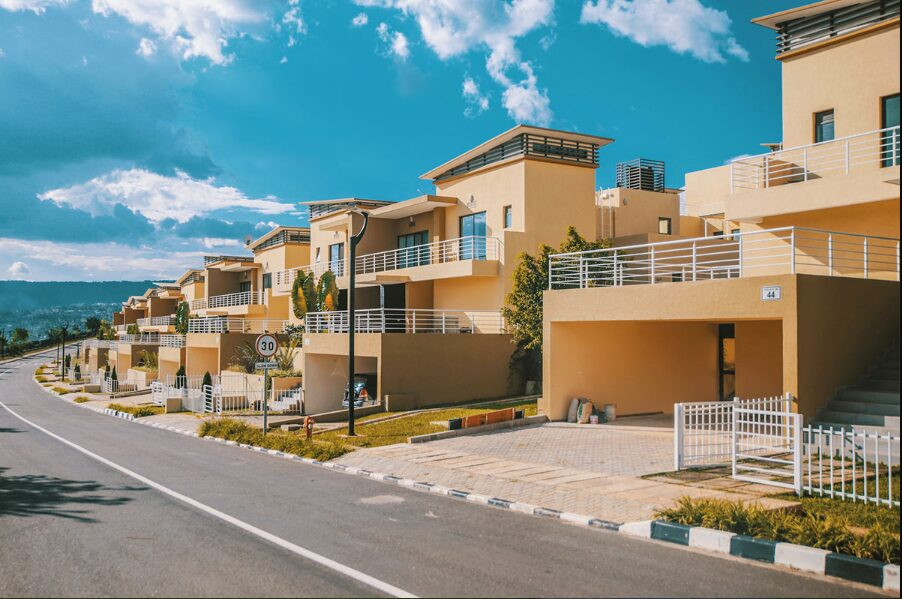
It’s one of the bigger questions newlyweds face early on, and one that tends to come with a lot of outside opinions attached. Family members lean one way, friends lean another, and somewhere in the middle you and your partner have to decide what actually makes sense for your life right now, not anyone else’s timeline.
Here’s how to think it through clearly.
Renting isn’t a step backward
There’s a common idea that renting means you’re not “moving forward,” while buying means you’ve made it. In reality, renting in your first year or two of marriage often makes more practical sense. It gives you flexibility while you figure out where you actually want to settle, how your careers might shift, and whether your current lifestyle even matches the location you’d want to buy in.
In terms of what that actually costs, a one bedroom apartment in a solid residential area will typically run you 300,000 to 500,000 RWF a month, while a two bedroom lands somewhere between 400,000 RWF and 1,200,000 RWF. Push into a neighborhood like Nyarutarama and prices climb, an apartment there runs roughly 500,000 to 1,700,000 RWF, with 3 bedrooms stretching from about 1,200,000 RWF up to 2,500,000 RWF or more for something with better finishes and amenities.
For more budget friendly areas, neighborhoods like Nyamirambo, Kicukiro, Gisozi, Kabeza, and Kanombe offer solid value, with two bedroom apartments typically going for around 250,000 RWF, closer to 300,000 RWF if you want parking included. Go further out to Masaka and you can find a full three bedroom house for around 200,000 RWF, while 350,000 RWF gets you something self contained. Busanza and the outskirts of the city like Kabuga follow a similar pattern, offering more space for less if you’re willing to be a bit further from the city center.
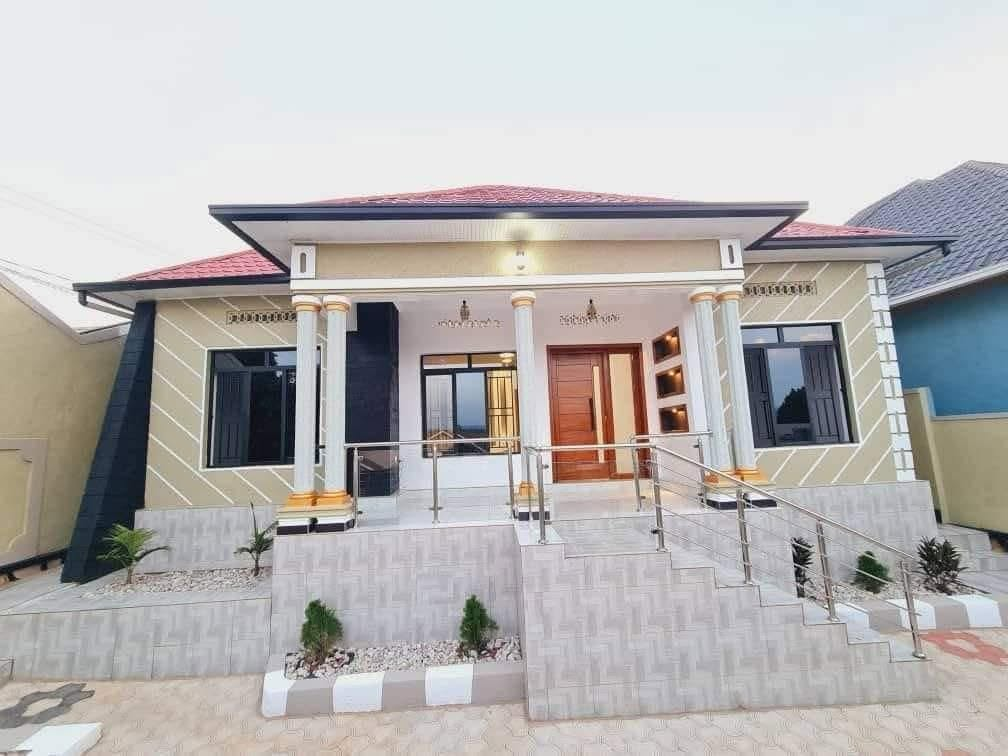
Buying comes with real long term upside
That said, buying has genuine advantages once you’re ready. You’re building equity instead of paying toward someone else’s property, and a fixed mortgage payment can offer more predictability over time than rent, which tends to increase periodically. If you’re confident about your location and financial footing, buying earlier can pay off significantly down the line.
On price, buying tends to start around 65 million RWF for a modest house, 80 million RWF for a modern house with apartments generally running from about 90 million RWF for a one bedroom up to 130 million RWF or more for two and three bedroom units, depending heavily on neighborhood and finishing. If you’re looking at ready built houses through local listings, prices commonly fall anywhere between 30 million and 250 million RWF depending on size, location, and condition. Plots for building your own home range even more widely, anywhere from about 2.5 million RWF for a smaller plot further out to 100 million RWF or more in prime, established neighborhoods.
Buying doesn’t require paying everything upfront
If you’re employed and paid a steady salary, buying doesn’t necessarily mean saving the full purchase price in cash first. Several banks in Rwanda, including BPR Bank, I&M Bank, and KCB, offer home loans to salaried employees, the self employed, and even Rwandans working abroad. Depending on the bank, financing can cover up to 100% of a home’s value for purchase or construction, and up to 70% for buying a plot, with repayment terms stretching as far as 25 to 30 years. Some banks also offer an affordable housing scheme aimed specifically at lower income earners, which makes ownership more realistic even without a large salary.
Interest rates on local currency mortgages generally sit between 15% and 18%, so it’s worth shopping around and comparing offers before committing, since even a small difference in rate adds up significantly over a 20 or 25 year term. If you’re employed with a stable income and some savings toward a down payment, it’s worth having a real conversation with a few banks early, even before you’ve settled on a property, just to understand what you’d actually qualify for.

Look honestly at your finances first
Before deciding either way, get real about where you stand financially as a couple. Do you have a stable combined income? Do you have savings set aside for a down payment, plus a buffer for closing costs and unexpected repairs? Buying too early, before you’re financially ready, tends to create more stress than the milestone is worth.
Consider how settled your plans actually are
If either of you might relocate for work in the next couple of years, or you’re still deciding which part of the city, or even which city, makes sense long term, renting keeps your options open. Buying makes more sense once your plans have some real stability behind them, career, family plans, location, all reasonably settled.
Renting means most repairs aren’t your problem. Buying means they are, and Rwanda’s climate and infrastructure realities mean maintenance costs can add up in ways first time buyers don’t always anticipate. Make sure you’re budgeting for upkeep, not just the mortgage or purchase price itself.
Sometimes one partner leans strongly toward buying while the other prefers renting, often shaped by how each of you grew up. Neither instinct is automatically right. Talk through where each preference is coming from, and make the decision together based on your actual circumstances now, not inherited assumptions from either family.
There’s no universal right answer
Some couples buy in year one and it works out well. Others rent for five years before buying and are glad they waited. What matters isn’t matching anyone else’s timeline, it’s making the choice that fits your finances, your plans, and your stage of life as a couple right now.
Renting versus buying isn’t a test of how serious your marriage is, it’s a practical decision that depends entirely on your circumstances. Take the time to assess your finances and plans honestly together, and choose the path that actually serves your life, not the one that looks best from the outside.